

Green Hydrogen: Fueling the Next Energy Frontier


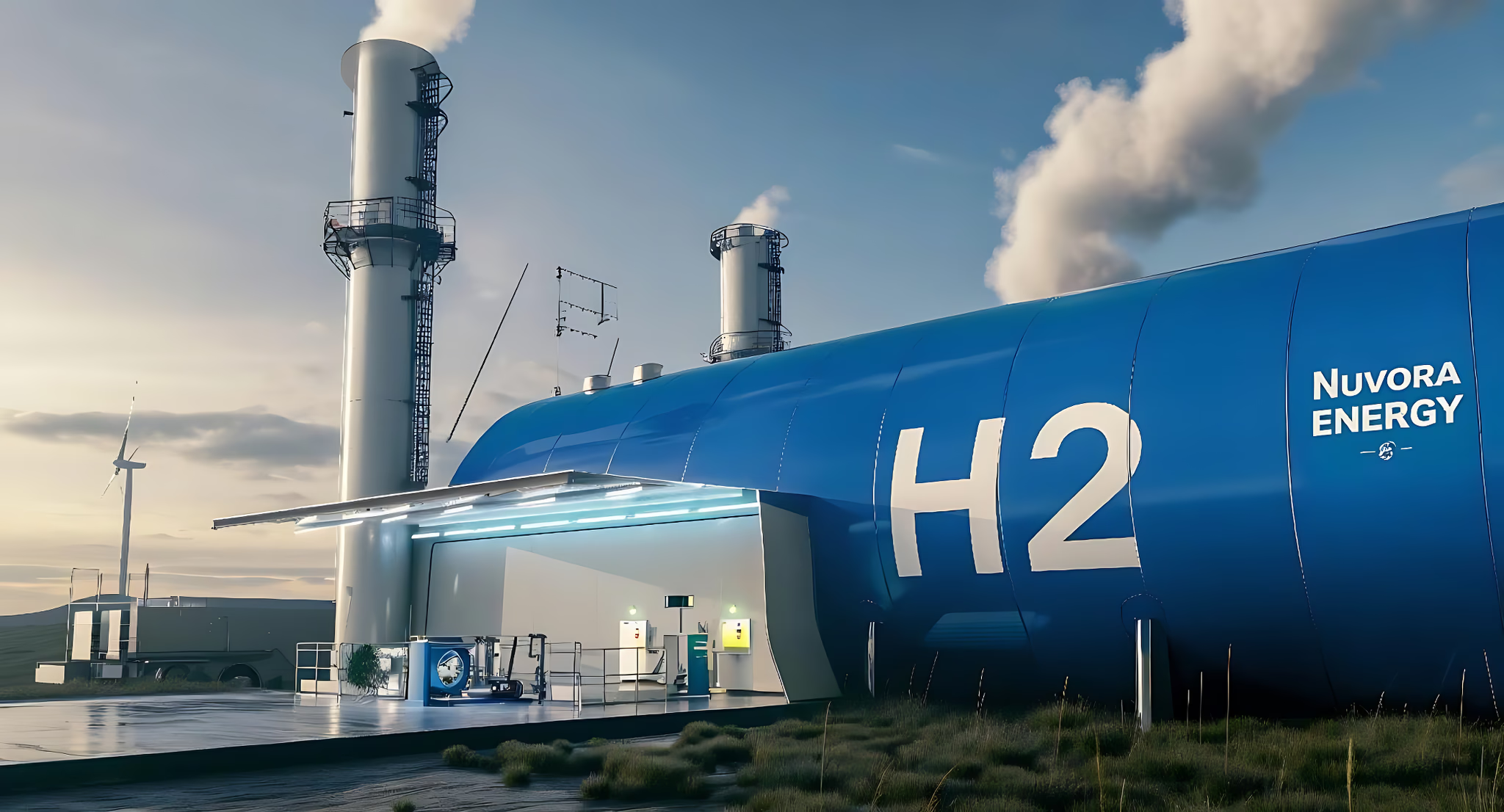
As the world races toward net-zero emissions, the spotlight is turning to a fuel that could transform global energy systems: green hydrogen. Touted as the “Swiss Army knife” of decarbonization, green hydrogen is poised to play a central role in replacing fossil fuels across hard-to-abate sectors like steel, shipping, aviation, and heavy industry.
Unlike gray or blue hydrogen, which are produced using fossil fuels, green hydrogen is generated through electrolysis powered by renewable or carbon-free electricity. This clean production pathway is what makes it a keystone solution for a climate-aligned economy.
Why Green Hydrogen, Why Now?
Global momentum around green hydrogen is accelerating, and for good reason:
- Deep Decarbonization: Hydrogen enables emissions-free energy for sectors where direct electrification is impractical.
- Energy Storage & Grid Balancing: Hydrogen acts as a seasonal energy storage medium, helping stabilize power grids overloaded with intermittent wind and solar.
- Global Policy Tailwinds: Over 40 countries have released hydrogen roadmaps, with the EU, U.S., Japan, and South Korea committing billions in funding and market incentives.
- Corporate Demand: Major industrials, shipping giants, and utilities are actively securing hydrogen supply as part of their ESG and decarbonization strategies.
The Market Opportunity
According to Bloomberg, the green hydrogen market could exceed $1 trillion by 2050, accounting for up to 24% of total final energy consumption. Key growth drivers include:
- Cost Decline: Electrolyser costs have fallen by over 60% in the last decade, with further reductions expected as economies of scale and innovation take hold.
- Cross-Border Trade: Hydrogen is emerging as a globally traded commodity, with supply chains forming between low-cost production hubs (e.g., Middle East, Australia) and high-demand importers (e.g., EU, Japan).
- Sector Coupling: Hydrogen’s versatility supports electrification, transportation fuels, chemical feedstocks, and synthetic fuels—diversifying revenue streams.
Challenges on the Road Ahead
Despite its promise, green hydrogen faces real hurdles:
- High Production Costs: Green hydrogen remains 2–4x more expensive than gray hydrogen; however, this gap is closing rapidly with carbon pricing and scale.
- Infrastructure Buildout: Pipelines, storage terminals, refueling stations, and regulatory frameworks must be established globally.
- Power Demand: Producing green hydrogen at scale requires massive amounts of clean electricity—highlighting the importance of integrating with nuclear SMRs and renewables.
A Turning Point for Investors and Developers
For investors, the hydrogen economy represents a generational opportunity to back the next era of energy infrastructure. Today’s first movers are securing long-term offtake agreements, capturing subsidy flows, and shaping the standards of a new global commodity.
Companies like Nuvora Energy are leading this charge—combining modular nuclear reactors with electrolyser systems to produce cost-competitive, baseload green hydrogen. This approach not only decarbonizes supply, but also sidesteps intermittency and grid volatility—major bottlenecks for traditional renewable-linked hydrogen plants.
From European hydrogen corridors to U.S. hydrogen hubs, momentum is real—and irreversible. Green hydrogen is no longer a “future fuel.” It is a present solution with the power to clean up global industry, stabilize power systems, and fuel the next century.




Copyright © 2026, Nuvora Energy. All Rights Reserved

